

At the bottom of this page: Latest news at this hour
Russia to increase military spending by 27%; Norway increased aid to deported Ukrainian kids; Sanctioning Russia gets harder.
Editor’s note:
Not a subscriber yet? The Counteroffensive brings you the people behind the headlines from Ukraine, like Ivanna.
Subscribe for free to get our reporting straight to your inbox!
OUR LEAD STORY:
KYIV, Ukraine – “Fuck off, fucking Ukrainians,” a man shouted as the security guard pulled him out of the grocery store at the bus station in Wrocław, Poland, in April.
Moments earlier, a young Ukrainian security guard asked the man to pay for his goods and behave while in line — in Polish, but with a slight Ukrainian accent. The man exploded, shouting at the guard and demanding to see the store’s administrator to complain about the Ukrainian. When no one helped him, the man grew even more aggressive, shoving the guard and getting into a physical figh t.
Ivanna Spivachenko was watching from the line at the checkout, frozen. She wanted to stand up for her fellow countryman, but was afraid to say anything, fearing she could become the next target of the attack.
The fighting only stopped when a stronger security guard came, separated the Ukrainian and the aggressive customer, and pulled him out of the building.
One of the cases of attacks on Ukrainians in Poland. A man insulted Ukrainian teenagers on a bus in Bielsko-Biała on July 12, 2026. Video posted on Andrii Sybiha’s Facebook account.
It is difficult to imagine something similar happening in 2022: Poland has been one of Ukraine’s closest allies since the start of the full-scale war. But this summer the relationship between the neighbors has escalated. What started as a dispute over different views on the shared past — in particular the Volyn massacre in 1943-1944, when the Ukrainian Insurgent Army slaughtered Poles living in the Volyn region — spiraled into rising xenophobia and violence against Ukrainians living in Poland. In the first half of 2026, Ukrainian citizens filed 180 reports of suspected hate crimes, which is a 30 percent increase compared to the same period in 2025.
There have been attacks on people of different ages, including teenagers. Some of the attacks have happened when the assailants heard people speaking Ukrainian or Polish with a Ukrainian accent. Not only Ukrainians have become victims: there have been a few incidents when Poles were attacked because assailants mistook them for Ukrainians.
Such instability in relations raises concerns about whether Ukraine can maintain earlier strong alliances, needed not only for Kyiv but for other European countries as well, amidst Russian hybrid warfare against the EU. In addition, Ukraine’s EU accession may also be under threat, as some Polish politicians, including President Karol Nawrocki, have said they would block Ukraine’s accession to the EU and NATO and curtail aid.

“I never planned to emigrate at all; I always insisted that I would live in Ukraine, that I could only see my life in Ukraine, and so on. But how often do we make firm declarations, only to end up in exactly the situations we said we’d never be in?” Ivanna said, having eventually emigrated to Poland.
She met her future husband, a Belarusian, who planned to continue living in Europe, at a youth exchange in the Czech Republic in 2022. Ivanna decided to stay in Europe with him until the war was over — she thought it would only be a few months. When they were choosing where to live, Ivanna remembered her visit to Gdańsk — a port city in northern Poland which she really liked. That’s why they decided to live there.
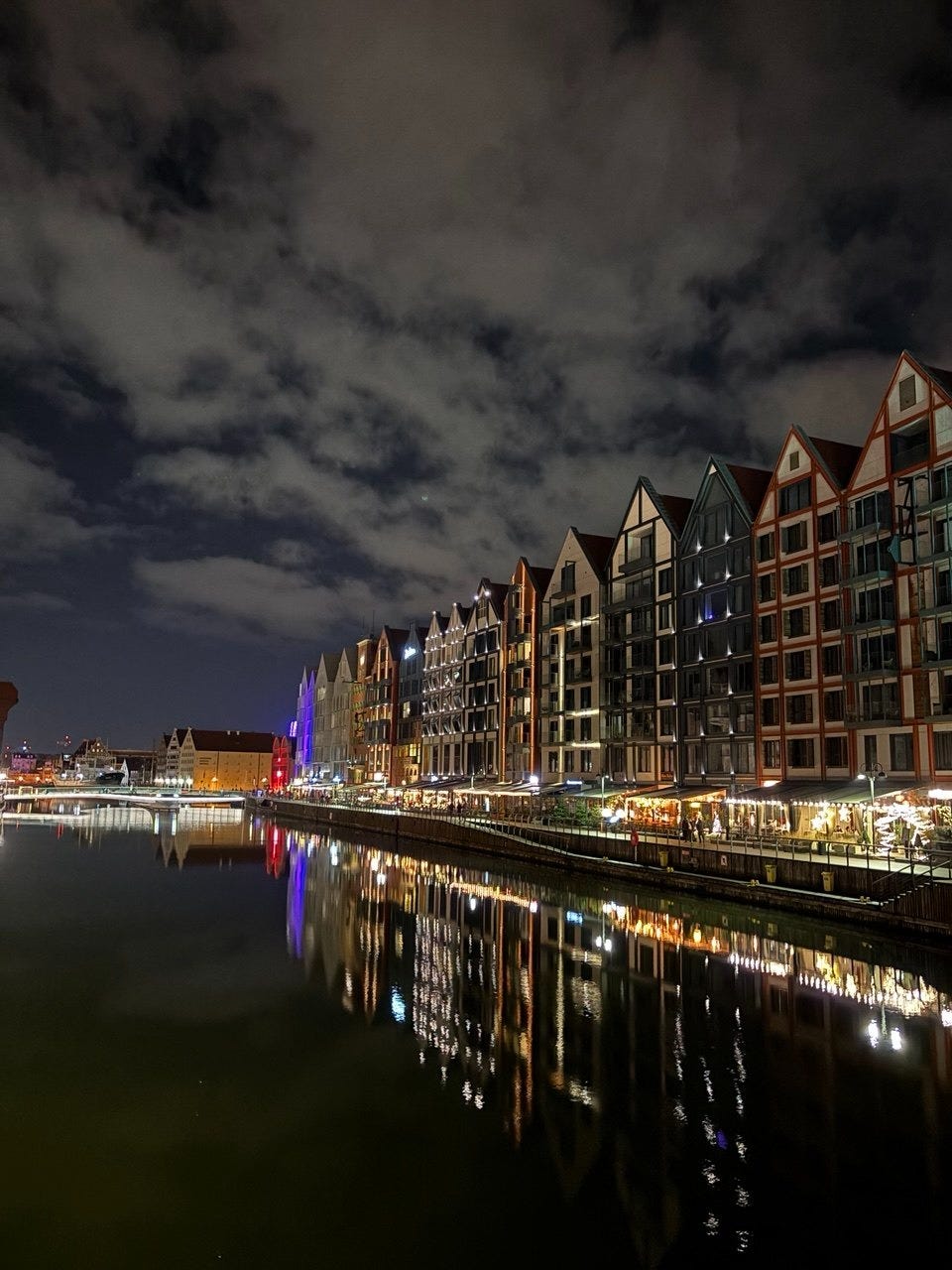
The war didn’t end in a few months. Ivanna understood she had to learn Polish, not only to feel comfortable in the country she was living in, but also out of gratitude and respect for the Poles, who helped Ukrainians a great deal at the beginning of the war.
Ukraine received about $4 billion from Poland in the first two years of the war, and about $417 million in military aid through July 2026. Poland also welcomed millions of Ukrainians seeking refuge, with more than 900,000 refugees still having temporary protection. It is second only to Germany.
“I started learning little by little, and as soon as it clicked [the understanding that Ivanna will stay in Poland for longer], learning came easily,” Ivanna said.
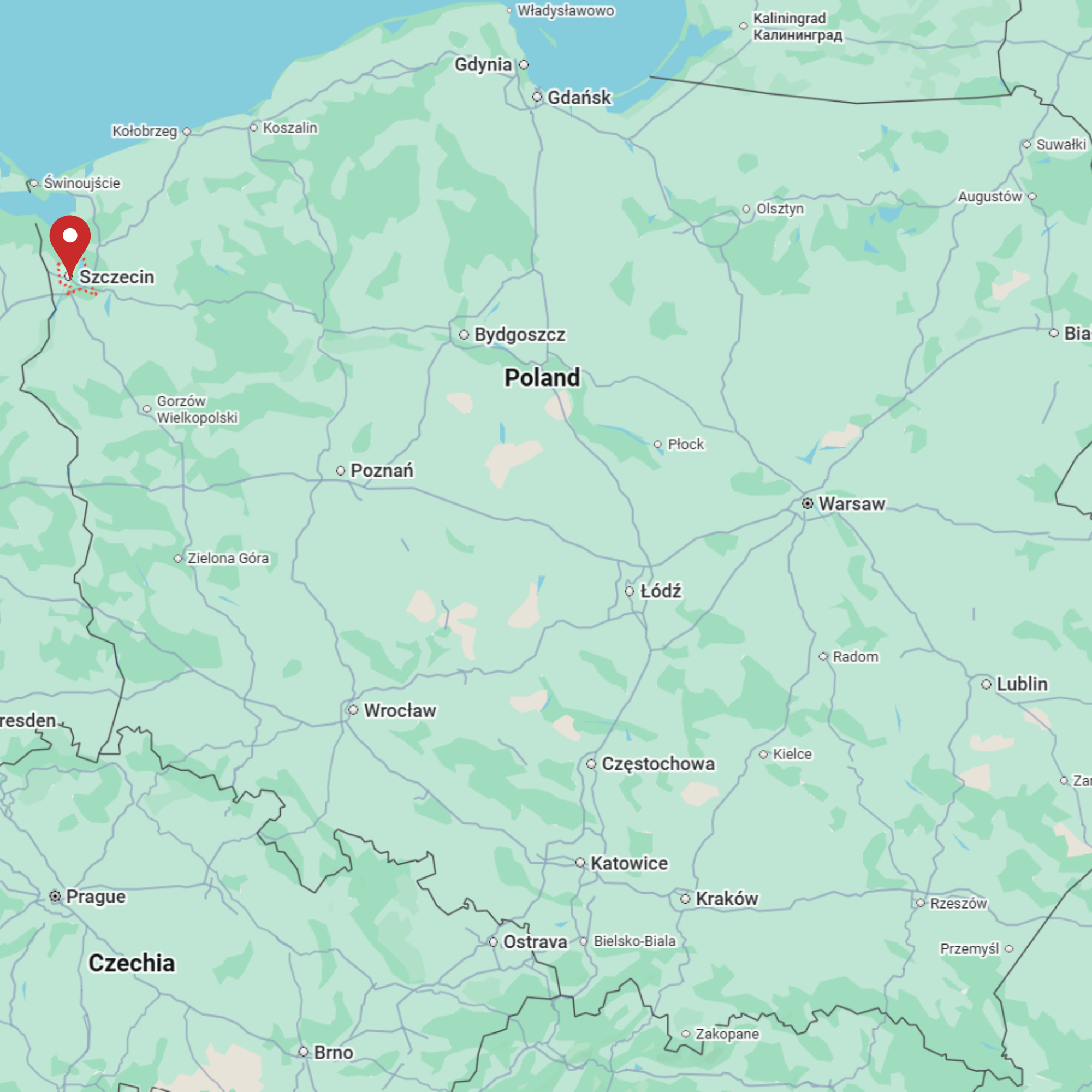
Ivanna likes Poland: it’s pretty cities, cleanliness, comfort, and safety. Now in Szczecin, where she moved because her husband had good job opportunities there, she has some Polish friends and feels she has started integrating into Polish society, like many other Ukrainians.
A 2025 survey found that 63 percent of Ukrainian refugees speak Polish fluently or well. By working in Poland and paying taxes, Ukrainians have contributed to the Polish economy more than they have received in assistance
Although the current anti-Ukrainian sentiments and violence against Ukrainians surged this summer, the sentiments of Poles towards Ukrainians started worsening during the presidential elections in 2025. Karol Nawrocki, who was elected president, has repeatedly addressed historical disputes between Ukraine and Poland, in particular the Volyn massacre, when the Ukrainian Insurgent Army (UPA) slaughtered Poles in the Volyn region.
The issue of the Volyn massacre is a complex one. Part of the Ukrainian territory was under Polish control during the interwar period. Poland employed a repressive policy against Ukrainians living there: they went through forced assimilation and pacification that radicalized the youth. This led to the Volyn tragedy in 1943-1944, which resulted in 35,000 to 100,000 Poles and around 10,000 Ukrainians being killed, according to different estimates.
The heated conflict started after the naming of the elite Ukrainian regiment after the ‘Heroes of the UPA,’ to which Poland reacted sharply. As politicians debated the history, an attack on a Ukrainian couple in Wrocław this July became one of the notorious examples of changing Polish sentiments towards Ukraine. The assailants attacked Anastasiia Kitsai and her boyfriend outside a grocery store after identifying them as Ukrainian. The couple was hospitalized.
Video of the attack on a Ukrainian couple in Wrocław, July 26, 2026. Video from Karina Kitsai’s Facebook account.
Ivanna and other Ukrainians she knows have been feeling a little uneasy in Poland for about two years now. Recent xenophobic attacks have made Ivanna even more anxious. Now she is slightly scared to speak Ukrainian when groups of people walk past her outside. She and her husband have already started discussing the possibility of leaving Poland. They have considered either moving to another European country—Austria, Spain, or Norway—or returning to Ukraine, if the security situation permits.
“In a couple of years, I hope that we’ll become parents. And when I thought about the fact that my child would have to live in this country, I wouldn’t want them to grow up in an environment like this,” Ivanna said.
And she feels her fears aren’t groundless. Ivanna’s nephew, who is a teenager now, was picked on at school because he’s not a Pole, she said.
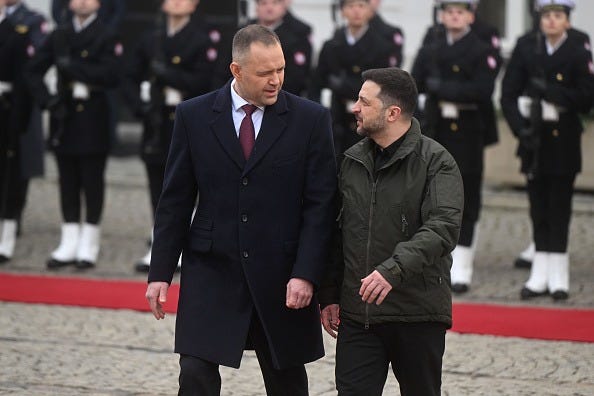
Future parliamentary elections, set for autumn 2027, also fuel anti-Ukrainian sentiment. On July 13, the Prime Minister candidate from Nawrocki’s Law and Justice party, Przemysław Czarnek, said that the EU “should suspend funding for Ukraine’s military and reconstruction efforts until it changes its policy toward Poland” and that there was no place in Europe for Ukraine “based on anti-values that glorify Bandera’s ideology”.
According to Ivanna, cases of hatred towards Ukrainians are now more visible in the media and on social media: “If you open Facebook, you might as well jump straight into a dying pit, because it seems like every single comment there is just: ‘Ukrainians are so bad — get out of here!’”
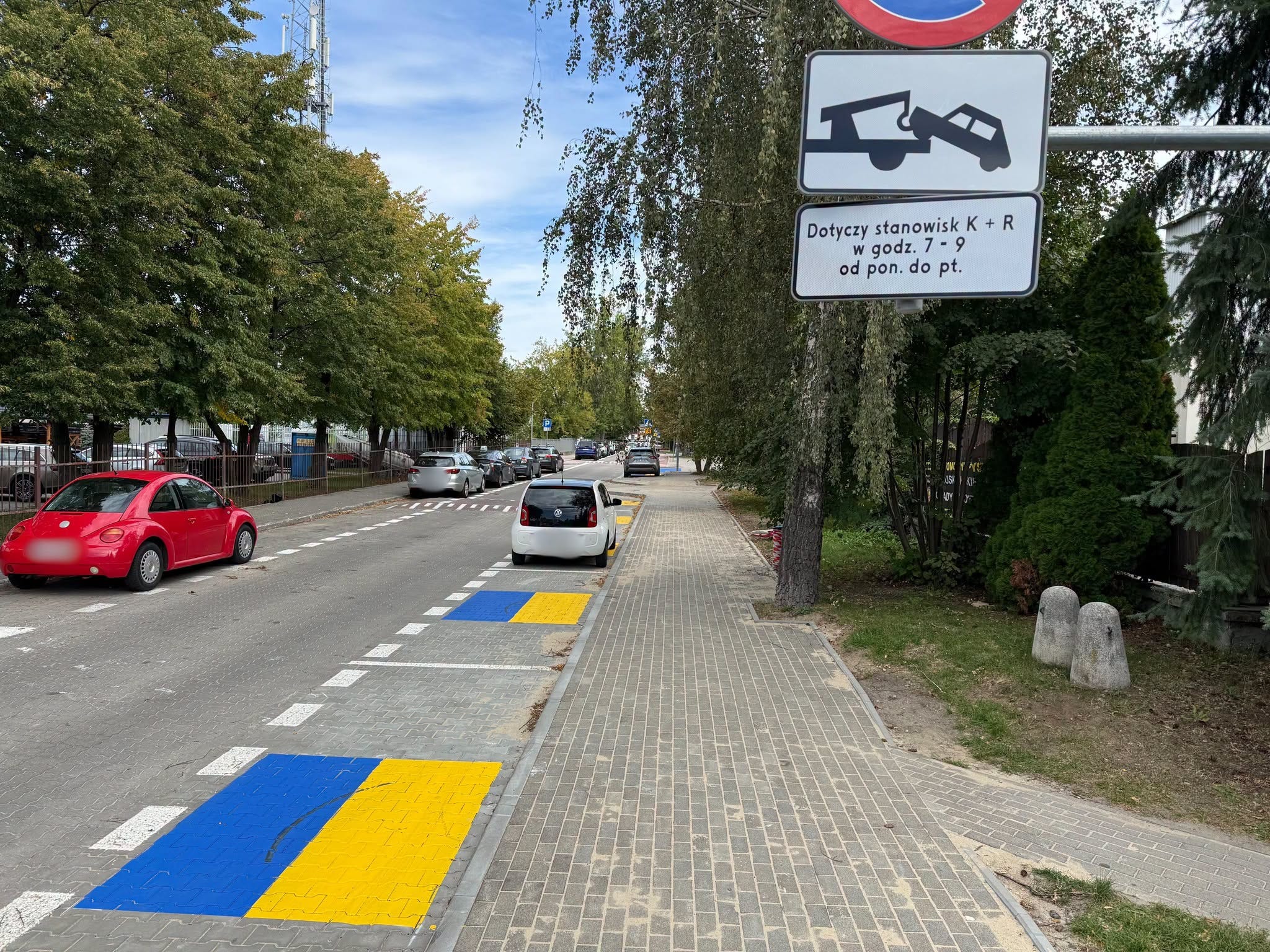
For example, recently, in the village of Raszyn, the residents were furious about the blue-and-yellow parking spaces, believing they were created for Ukrainians. In fact, these are the ‘kiss and ride’ spaces near the school for parents to drop off their children.
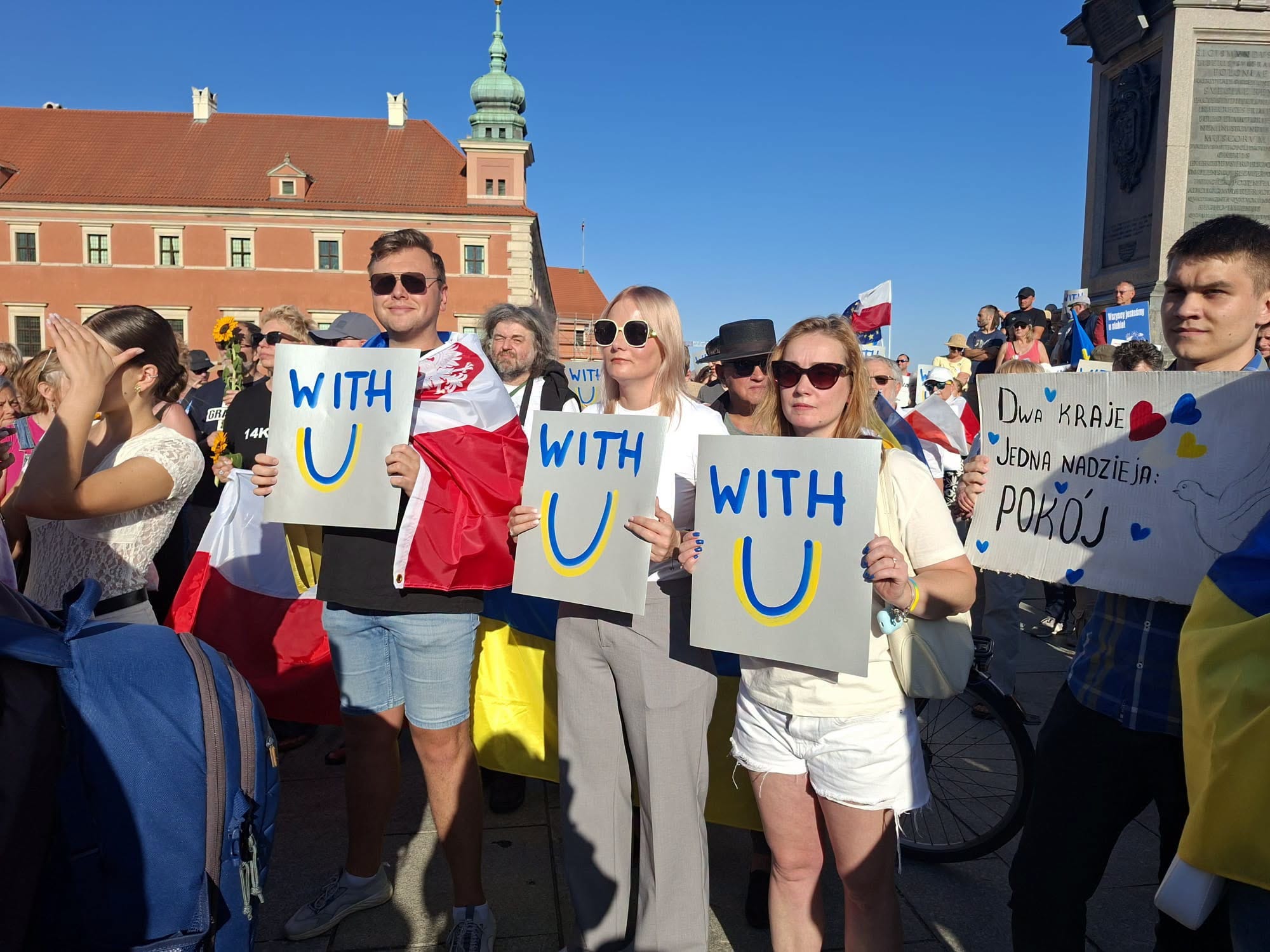
At the same time, Ivanna has noticed support from the Poles, both on social media and in real life. At the beginning of August, demonstrations under the slogans “My Poland doesn’t hit, doesn’t insult, doesn’t incite” and “Don’t be indifferent” took place in 22 Polish cities. The demonstrators protested against discrimination targeted at Ukrainians and other minorities. And Radosław Sikorski, the Polish Minister for Foreign Affairs, announced the largest package of military aid to Ukraine on September 17.
History is a tough issue in Poland-Ukraine relations.
Ivanna is from the Volyn region herself. She recalls that when she first started living in Poland, the friendly taxi driver found out that she and her mother were from there and said: “Yes, where our people were slaughtered.” The conversation didn’t really go anywhere after that.
“I understand that terrible things could have happened back then — both to Poles and to Ukrainians. But this history, which took place long ago, is something we should remember; we should draw our own conclusions from it and move forward.”
Interested in reading more stories about Ukraine’s relations with its neighbors? Check these out:
1940s massacre threatens to tear Ukraine & Poland’s friendship apart by Mariana Lastovyria.
As Poland heads for the polls, Ukrainian refugees get a colder reception by Myroslava Tanska-Vikulova and Tim Mak.
Why Zelenskyy’s photo is all over Hungary by Mariana Lastovyria.
Editor’s Note:
Human-centered stories take time: finding people willing to speak openly, checking the facts, putting the numbers in context.
If you're already a subscriber, thank you for making this work possible! If you're not, subscribing is free. And if you'd like to help us keep reporting, a tip goes a long way.
THE LATEST NEWS AT THIS HOUR:
By Oleksandra Khelemendyk
Good morning to readers; Kyiv remains in Ukrainian hands.
RUSSIA TO INCREASE MILITARY SPENDING BY 27%: The Russian government documents obtained by Reuters show that Russia aims to raise its military and defense expenditures to 17.1 trillion rubles ($202.58 billion) in 2027. This is about 27 percent more than this year’s military budget. In the next three years, Russia’s defense spending will amount to 50 trillion rubles, which demonstrates Russia’s willingness to fight a protracted war in Ukraine and, probably, escalate tensions in Europe.
Meanwhile, Russia’s current economic crisis is deepening. According to the documents, its projected oil and gas revenue for 2026 fell from an expected 8.9 to 7.6 trillion rubles. Consequently, the estimated budget deficit for 2026 doubled from 1.6 to 3.2 percent of Russia’s GDP. To ease underfunding, the government plans to rely more on borrowing, raise taxes on metal and mining industries, and spend about 11 percent of the liquid assets in Russia’s National Wealth Fund.
NORWAY INCREASED AID TO DEPORTED UKRAINIAN KIDS: The Norwegian government is set to allocate 25 million crowns (about $2.6 million) to bring Ukrainian children deported to Russia back home, search for missing persons, and rehabilitate detained civilians and POWs.
According to Norway’s Minister of Foreign Affairs Espen Barth Eide, the money will be transferred to UNICEF and the International Committee of the Red Cross (ICRC). $1.6 million will fund the effort to find and reintegrate deported children, and another $1 million will help to trace the missing.
This week, Norway and Ukraine will co-host a ministerial conference on humanitarian efforts in Toronto.
SANCTIONING RUSSIA GROWS HARDER: To avoid sanctions, Russia denies access to information about its key industries. On Monday, Vladimir Putin further restricted disclosure of data on energy industries and oil production to avoid sanctions from the U.S. and Ukraine’s other allies. His decree nearly banned publication and use of information about certain energy exports, their price, destination, and the involved companies. Some data on crude oil production has been classified earlier because of the risk of progressive sanctions.
Lately, EU capitals have also started using sanctions to bargain for their national interests. Last week, the EU extended individual sanctions on people close to the Russian government but excluded oligarchs Alisher Usmanov and Mikhail Fridman from its blacklist after France, Slovakia, and Luxembourg pushed for it. This set a dangerous precedent for Ukraine’s defense and European unity. In response, Lithuania keeps the oligarchs on its national list of persona non grata, while Latvia and Estonia also plan to impose national sanctions on them.
DOG OF WAR:
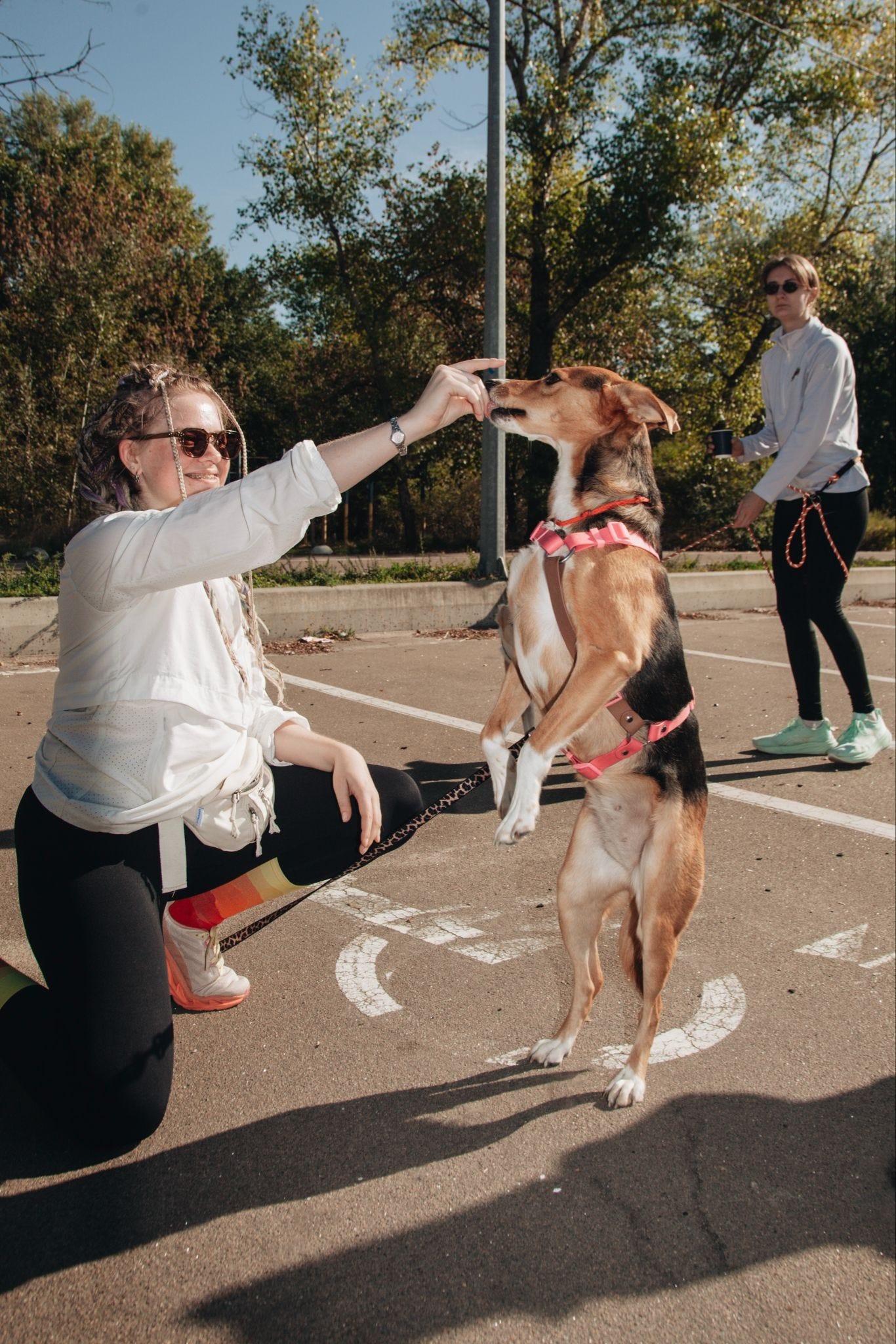
Oleksandra saw this dog preparing to accompany her owner in a charity run to support Ukrainian veterans.
Stay safe out there!
Best,
Mariana.

very, very important article to read. Poland is a target by putin. Europe needs to join together including putting aside prejudices. God save Ukraine, please.