

At the bottom of this page: Latest news at this hour
Hungary is set to drop the veto on Ukraine’s entry to EU… South Korea supplies fuel to Russia… U.S. seeks updates on unknown plague outbreak in Russia…
Featured subscriber’s comment from Ann Starkey:
“Great report, there are actual details about what is taking place and where. This coverage reminds us that there is so much more going on than what we see in mainstream media at this point. Thanks for keeping the news current.”
If you’re new here: The Counteroffensive is an independent newsroom of journalists reporting from Kyiv. Subscribe for free and get the stories you won’t find in your usual news feed, straight to your inbox.
OUR LEAD STORY:
KYIV, Ukraine – Since the start of the full-scale invasion, Sofya Owl, who goes by her pseudonym, has helped raise around $78,000 for the Ukrainian military. With her help, servicemen received on-time pickup trucks, medical supplies for evacuations, thermal imagers, and strike drones.
At first glance, it could be a typical wartime volunteering story — except Sofya could go to prison. People donated to her in exchange for her nude photos, which makes her a criminal under Ukrainian law.
“Let them try to find me. I’m not even in Ukraine, and my home is under occupation. This is the only home I have,” Sofya said, still fearing possible criminal charges.

Ukraine is one of the few European countries where producing and distributing pornography remains a criminal offense. For years, it has had a thriving market for adult content that operates largely in the shadows.
Now, as the country faces a roughly $27 billion shortfall in defense funding, lawmakers are considering whether to remove pornography from the criminal code — potentially bringing part of that underground economy into the legal tax base. This gap is critical, as the money is needed now to pay for supplies at the front line for the first quarter of 2027.
According to recent estimates by Ukrainian lawmaker Yaroslav Zhelezniak, who co-authored a bill to decriminalize pornography production, legalizing the industry could bring the state budget up to $25 million a year in tax revenue. He says that amount would be enough to purchase around 30,000 drones.
However, despite the potential tax revenue beneficial for a war-torn economy, some in Ukraine fear that the change could leave millions of vulnerable people exposed to further exploitation.
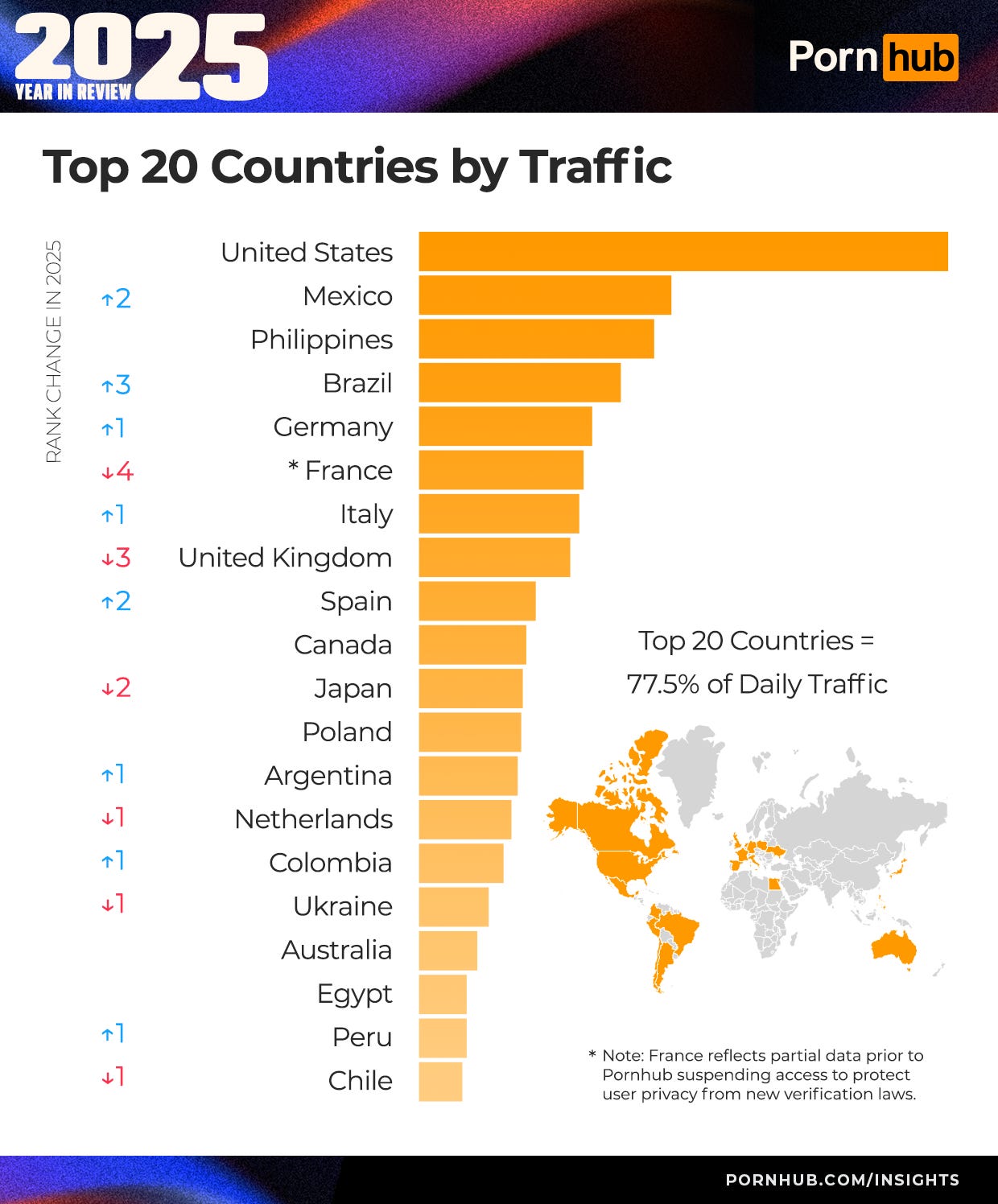
For Sofya, decriminalization is important because she became an OnlyFans model more than five years ago. OnlyFans is an international platform where creators can publish content on various topics from sport and art to intimate photos and videos. An acquaintance suggested she create an account there when she was around 25, while working as a waitress at a restaurant and living in Odesa.
“It always lifted my mood: taking nice photos, getting compliments, looking sexy. I really enjoyed it,” Sofya said.
Although she loved taking pictures, the fear of someone coming across her OnlyFans page scared her to death. In Ukraine, such work is still considered taboo, so she immediately restricted access to her content for all Ukrainians so her friends and relatives would not see it. To make things worse, it was actually a crime.
In Ukraine, even nudes that people in relationships send each other can be considered pornographic content. For many couples separated by distance during the war, this is one of the few ways of maintaining an intimate relationship. However, sending them can result in a fine or 3 to 5 years in prison. The same applies to people who make money from creating content on OnlyFans or similar platforms.
But there is a catch: the state requires creators to declare their earnings as foreign income and pay taxes on it. If they do, those tax records can then be used as evidence of a crime. That’s why a lot of sex content workers choose to hide.
“If you can be fined for sending a nude, what difference does it make if you get paid for it?” Sofya asked.
This did not stop a unique Ukrainian movement from emerging at the start of the full-scale invasion: TerOnlyFans — a blend of ‘Territorial Defense’ and ‘OnlyFans’ — which Sofya also joined right away. The idea was simple: people donated to fundraisers supporting the military or those affected by the war and, in return, received a nude from a creator of their choice. For soldiers, she sent them for free, saying “they felt bad” on the front lines.
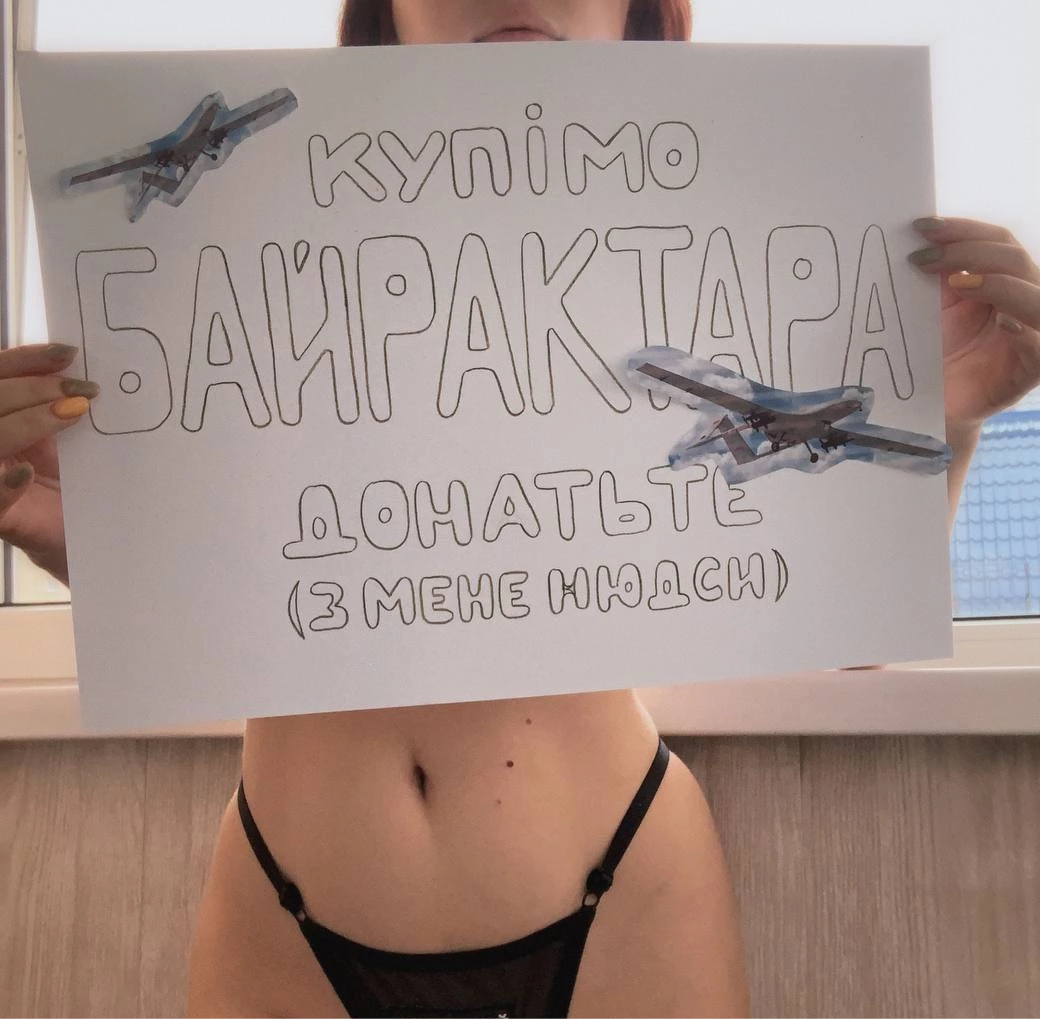
“I later came up with a simple tiered system: 500 hryvnias ($11) got you a nude photo, while 1,000 hryvnias bought a year of unlimited access to my OnlyFans. At the time, a subscription to my page cost $20 a month,” Sofya said.
Sofya says TerOnlyFans helped her break through the fear of being judged. When her mother ended up in the Russian-occupied Luhansk region, where Sofya is from, Sofya left Ukraine and started over in a new environment. Gradually, other people’s opinions mattered less.
Her mornings began to feel more empowering as she checked her OnlyFans messages and looked through custom content requests. She would plan what to wear, how to set up the lighting for photos or videos, and what makeup to do. To get into a “work” mood, she would often put on jazz, flirt with someone, or scroll through Tinder profiles.
“It’s like a regular job, just kinky,” she said.
Although the TerOnlyFans movement raised around $800,000, it eventually all but faded away. In the fall of 2024, authorities began raiding OnlyFans creators who had earned the most money. Some were forced to leave Ukraine. Sofya also received an email demanding that she pay taxes.
“Of course, I was afraid. I’d pay my taxes, and then the police would come knocking, or I’d receive a summons to appear in court saying, ‘You were distributing pornography’… Many girls from TerOnlyFans, or just OnlyFans, were forced either to give up what they were doing or to go into hiding so they wouldn’t have to pay taxes or risk being caught and sent to prison,” Sofya said.
This is the bind that the Verkhovna Rada may resolve, as the bill is now being prepared for its second reading before it becomes law. It would decriminalize pornographic content produced and shared with the consent of adults, while strengthening protections against sexual exploitation involving children. As it stands, the bill does not propose specific regulations of the industry, which may leave pornography creators vulnerable to abuse.
Alongside webcam services and other platforms, the industry is estimated to employ between 16,000 and 23,000 Ukrainians with a combined annual income of 7 billion to 11 billion hryvnias ($150–245 million), according to approximate estimates of economist Bohdan Slutskyi of the Center for Economic Strategy which has publicly supported the initiative.
“Realistically, I would expect an additional 200 million to 500 million hryvnias ($4.5–11 million) in annual revenue,” believes Slutskyi.

He doubts it will significantly affect the war effort, as the majority of the funds will be left for community budgets and not a state budget. Slutskyi sees it more as a way to resolve a problem: Ukraine is waiting for people to pay taxes while simultaneously threatening imprisonment.
On the flip side, the pornography industry itself is undoubtedly problematic, and Sofya does not deny that.
Firstly, it can be difficult to ensure fully safe working conditions.
“Pornography is a form of prostitution. It is filmed sexual violence. And if we look at it from this perspective, this bill [which decriminalizes pornography] creates conditions in which the state, by collecting taxes from pornography, essentially becomes just another pimp,” believes Mariia Dmytriieva, a national gender expert and women’s rights trainer, who publicly opposed the bill.
Secondly, the war has left many people, particularly women, in vulnerable economic situations due to displacement and unemployment. The UN’s 2025 Humanitarian Needs and Response Plan for Ukraine estimated that 2.5 million people are at high risk of sexual exploitation and violence, particularly in rural and frontline areas. Critics of the reform therefore see the law as potentially increasing the number of people drawn into the pornography industry.
However, operating in a legal gray area already leaves people in the industry vulnerable to exploitation and blackmail. Law enforcement may take advantage of this by demanding bribes from OnlyFans or webcam creators while threatening them with prison. For example, in May, National Police officials were suspended over allegations that they had been protecting porn studios.
Criminalization may also push the industry further underground, making it harder for workers to seek help or report abuse. Sofya says that the exploitation of Ukrainians who shoot pornography is already widespread.
“Many modeling agencies send girls into escort work… These studios are not regulated at all. They operate so far underground that they are almost impossible to find. That means they face even less oversight, so they can film [both] children and adults,” Sofya said.
The Counteroffensive could not independently verify these claims.

For now, Sofya is afraid to return to Ukraine, saying that her “face is everywhere” online. In reality, however, she has not been active on OnlyFans or social media for months.
“I lost my identity. I went through a long depression, and it’s still going on… I put all my social media, my volunteering and my work on hold. My life is on pause until I’m ready,” Sofya said.
She does not know if or when her health will allow her to return to her work and other hobbies. But she hopes that, by then, those who choose to remain in the industry will no longer fear coming home.
Interested in reading more similar stories? Check these out:
Ukraine’s scam centers at the heart of corruption scandal By Mariana Lastovyria and Mariana Stadnyk
How war is a boon to traffickers By Oksana Stepura
Should Ukrainians have legal guns? By Kateryna Antonenko
Featured subscriber’s comment from Ann Starkey:
“Great report, there are actual details about what is taking place and where. This coverage reminds us that there is so much more going on than what we see in mainstream media at this point. Thanks for keeping the news current.”
You make it possible for us to chase stories like this one. If you’d like to go a step further, support our reporting!
THE LATEST NEWS AT THIS HOUR:
By: Petro Gordon
Good morning to readers; Kyiv remains in Ukrainian hands.
HUNGARY IS SET TO DROP THE VETO ON UKRAINE’S ENTRY TO EU: Budapest will not block the transition to the next clusters of accession into the European Union for Ukraine and Moldova, according to the Financial Times. However, Hungary’s support will depend on whether Ukraine passes the law next week, granting educational support for minorities, particularly Hungarians in the western Ukraine.
The new countries looking to enter the European Union require unanimous approval of existing 27 EU members. Kyiv has been on the path to European accession for over a decade, but Hungary continued to veto Ukraine’s path to a full-membership, particularly under the previous government of pro-Russian Prime Minister Viktor Orbán.
SOUTH KOREA SUPPLIES FUEL TO RUSSIA: In July and August, South Korea shipped more than 176,000 tonnes of fuel to Russia, using seven tankers, three of which are under U.S. and EU sanctions, an investigation by The Guardian reveals. Despite South Korea’s pledged support for Ukraine, Seoul continues to seek trade with Moscow, allowing the sanctioned vessels to transport the fuel to Russia, which doesn’t breach South Korean law.
Ukraine has systematically been striking Russia oil infrastructure, targeting in particular the oil refineries and causing gasoline and diesel shortages in Russia. To tackle that, Moscow has been turning to importing fuel in order to meet the internal demand.
U.S. SEEKS UPDATES ON UNKNOWN PLAGUE OUTBREAK IN RUSSIA: Trump administration is closely monitoring the possible pneumonic plague outbreak in Russia’s far east, The Washington Post reports. While President Trump told reporters that the U.S. would help Russia ‘as much as we can’, Russian officials are hesitant to disclose any information related to the possible outbreak.
‘Rospotrebnadzor’, a Russian public health agency, reported the death from pneumonia of ‘unknown origin’ of a lab technician of anti-plague research institute in Russia’s Siberia.
CAT OF CONFLICT:
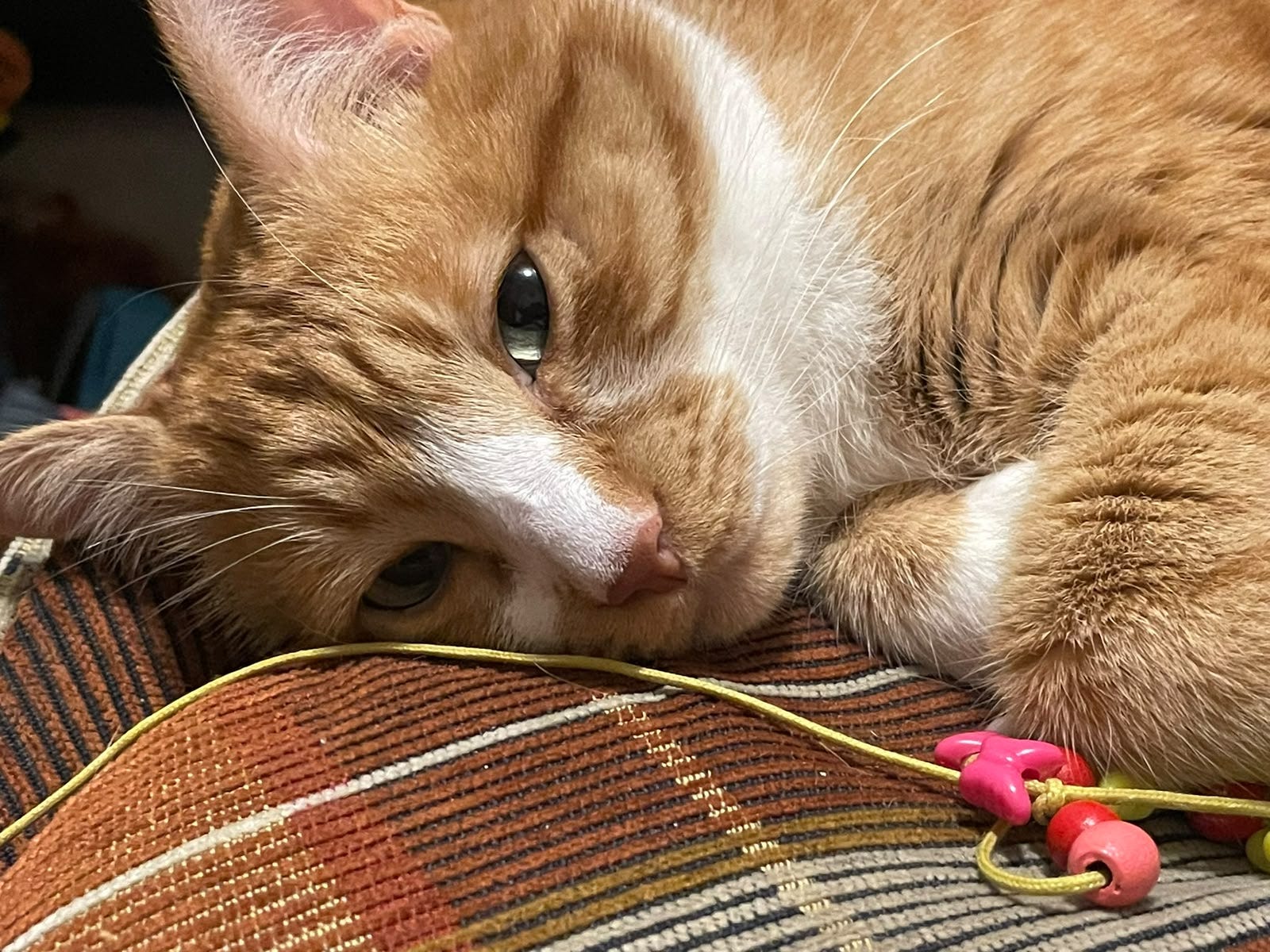
Ally’s Compot the cat feels extremely exhausted after the latest strikes on Kyiv.
Stay safe out there!
Best,
Mariana.
I’m glad there isn’t the American-style concept of a Great Unwinding being incorporated into these wartime changes. I’m very glad that the Rada is considering that these are changes with impact going forward that you simply cannot snap back from. Generally I come down left-libertarian in terms of policy so I can understand how it is a massive cultural shift before it is a legal shift.
Humans are sexual beings, and no amount of legislation can change that fact - indeed adverse legislation only pushes prostitutes and pornographic content providers out of sight and removes protection from the vulnerable. Sensible laws protect, raise taxable income and reduce criminal activities. As long as consent is part of the transaction and minors are protected, I see no reason for pornography and prostitution to be criminalised.